
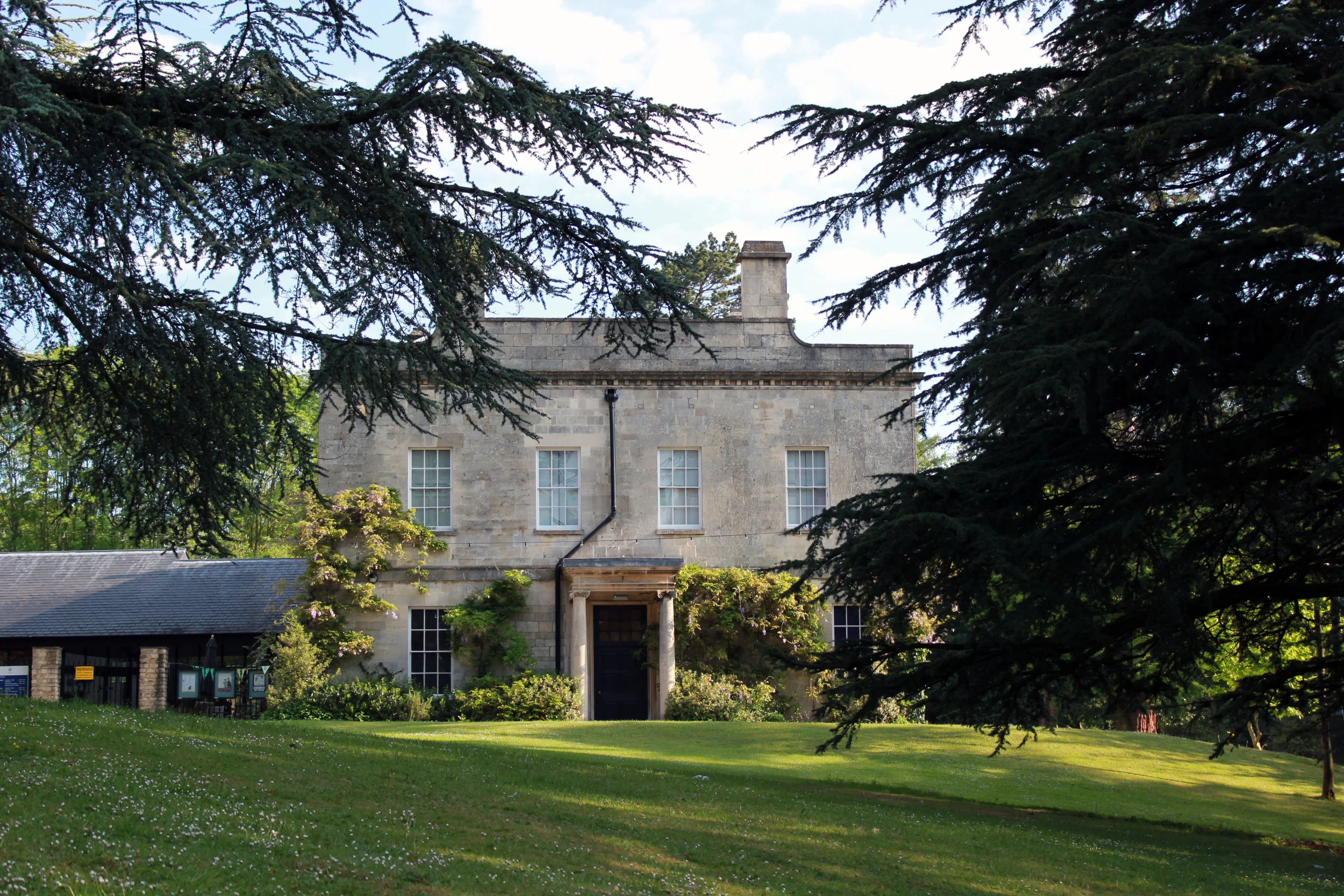
Climate and nature at the Museum in the Park
Museums exist for the long term preservation and access to our collective heritage. Therefore, it’s important that museums also consider and take action to minimise impact on the climate and nature. We are delighted to share some of the initiatives in place at the Museum in the Park which sits in the beautiful setting of Stratford Park.
Installation of air source heat pumps to provide heating and new ventilation control. This is part of Stroud District Council’s decarbonisation project for the museum and Active Lifestyles centres.
Insulation improvements in the historic house. We’ve insulated the mansion with rockwool insulation, this helps to maintain the environment of the museum, reducing our carbon footprint and help to keep environmental conditions stable for the collections.
Low-energy lighting (comfort, showcase, office). Over a number a years we replaced all lighting for low-energy lighting and continue to seek low energy solutions when lights need replacing. In a museum we strive to maintain an adequate balance between suitable lighting for people and to protect objects from light damage.
Flushing sensors for urinals. These sensors are triggered by movement, so the flushing and use of water only occurs after someone has used the facilities!
Using sustainable cleaning products. We endeavour to use sustainable cleaning products where possible and use refills, these can reduce waste, improve air quality, and reduce our carbon footprint. We source from organisations such as Bio D which is an ethical company (B Corporation).
Recycling of waste. We use a local company, Smiths, to take away our mixed recycling. As well as providing recycling for visitors, staff have recycling bins in all areas. We also store equipment and other material which is no longer needed and use a company to take these away for recycling if we cannot effectively repair it first.
Recycling of food waste. Unfortunately, composting experiments using the walled garden only led to pests. Active Lifestyles Stroud kindly allow us to place our food waste in their dedicated food waste bins.
Reducing single use plastics. We work to reduce products in the café using single use plastics. We’ve also extended this to the museum by limiting the use of laminates. Whilst they look good, they are not recyclable or sustainable compared to other alternatives. Gloss laminates can also be hard to read for some people.
Using the collections to inspire. One thing we are not short of, is inspiration from the past through the collections. We have produced a sustainability blog which looks at objects from the collection and what useful lessons they reveal for a more sustainable future. We’ve also created a Sustainable Stories from the Past remote learning package for schools.
The Walled Garden Project brought a derelict outdoor space back into community use with a now thriving programme of garden events. The wild meadow, organic gardening methods and new wildlife habitats has led to increased biodiversity.
We installed water collection for the walled garden and stopped the use of trickle hoses from mains water. This was funded by the Cowle Trust from public donations. Water harvesting at the Museum was increased from around 400ltrs to 2,400ltrs! The walled garden volunteers also adapt planting for the conditions.
Holding environmental related events and exhibitions. We use our public programme to raise awareness of climate issues (such as events for Earth Day, or a collections based display looking at travel in the past to encourage people to think about their journeys today. Visit our What’s On.
Active travel. We encourage visitors to arrive at the museum using active travel, with bicycle stands provided in the courtyard and public travel information on our Find Us page. Many of our staff use active travel to commute to work.
Our vision is to be a beacon of community-driven heritage - where creativity, inclusivity, and sustainability shape every experience - that reflects the past and inspires the future.

